刺激的な起業家の名言を、測定可能な仕事の目標に変えるにはどうすればよいでしょうか?
チームを鼓舞するようなフレーズから、実行可能な具体的な行動を抽出します。
チームを鼓舞するようなフレーズから、実行可能な具体的な行動を抽出します。例えば、毎週3人のバイヤーにインタビューを行う、頻繁に発生する返品問題を解決するなどです。担当者、完了条件、期限を記録します。
進捗状況をレビューする際は、実際の行動と結果に基づいて議論し、検証されていない信念と観察されたデータを区別することで、スローガンが意思決定に取って代わることを防ぐ。
Shopper Approved originally presented seven illustrated reminders about getting through setbacks and periods of fatigue. The cards cover different kinds of decisions, from lowering the cost of an experiment to deciding when further effort is worth it. The interpretations below keep the order of the original cards.
Seven ideas for getting through a setback
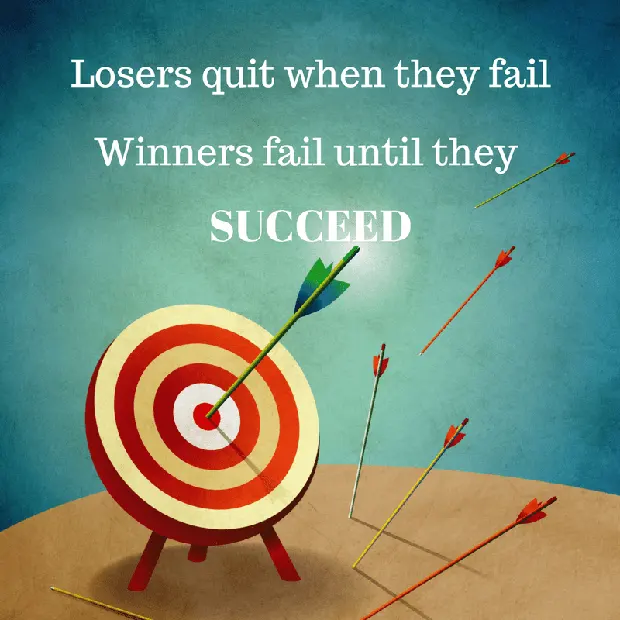
- Treat a miss as a result you can use. The first card uses a target and a series of missed arrows to show that adjusting after failure can eventually improve accuracy. Write down what changed from one attempt to the next so the second attempt teaches something the first did not.
- Pick the smallest action that can settle a fear. The second contrasts the worry that grows while waiting with the confidence that comes from acting. For an uncertain campaign, start with one customer interview or a small audience sample and keep other variables stable.
- Separate the number of attempts from the chance of finding a viable option. The third puts the emphasis on the one direction that ultimately works. Set a budget and a stopping rule before testing so several inexpensive misses do not take resources away from the best-performing option.
- Give experiments enough chances to become informative. This card is explicitly unattributed. Its theme is that willingness to try repeatedly gives you more opportunities to learn. Change one variable at a time and keep a record of what prompted the next test.
- Distinguish a setback from a final verdict. The fifth card credits Maya Angelou. It describes encountering defeats without letting them determine the end of the effort. A failed launch can still reveal an unreliable checkout or an assumption about customer expectations.
- Make space for a calculated risk. The sixth credits Frederick B. Wilcox and compares taking a risk to leaving first base in baseball to reach second. Set an explicit downside limit, then measure whether the change creates enough value to keep.
- Expect some work to be difficult. The final card credits Frederick Douglass. It pairs effort with progress, using the image of an athlete. Check whether the work is moving a meaningful measure such as response quality, time to complete an order, or the number of repeat customers.
Put one idea into practice
Choose a single stalled project. Record the last thing you tried, what you observed and one change you can test this week. Add a decision date and the minimum evidence that would justify continuing. You can then separate a promising attempt from work that simply consumes more time.