Marketing blog
Practical guides and cases on overseas marketing, customer feedback, and platform operations.

Ask about shopping satisfaction, willingness to recommend, and willingness to repurchase separately.
The customer may be satisfied with the service but doesn't currently have a need to make another purchase.

Three things to ask clearly in a reputation management quote
Request the quoting party to specify which channels are monitored, who responds, and how anomalies are billed.
Locate breakpoints in the Shopify conversion path by device.
The homepage visit, product browsing, adding to cart, and payment are separated by device.
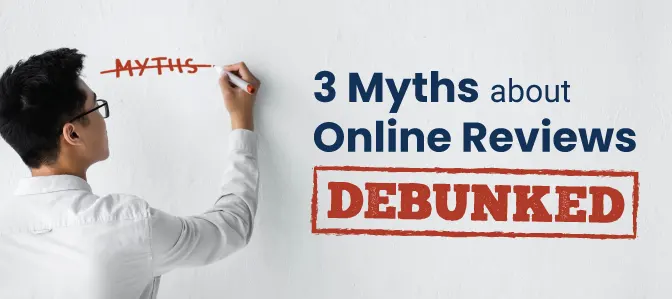
When determining whether an invitation to comment has been made, first examine how the invitation was sent.
The operations team should be required to explain who received the invitation, who was excluded, and whether there was a condition of selecting positive reviews before sending the…

When examining external links, ask yourself why readers clicked on them.
Starting with scenarios where the product has real-world applications, compile industry resource pages, case studies, and user guides.
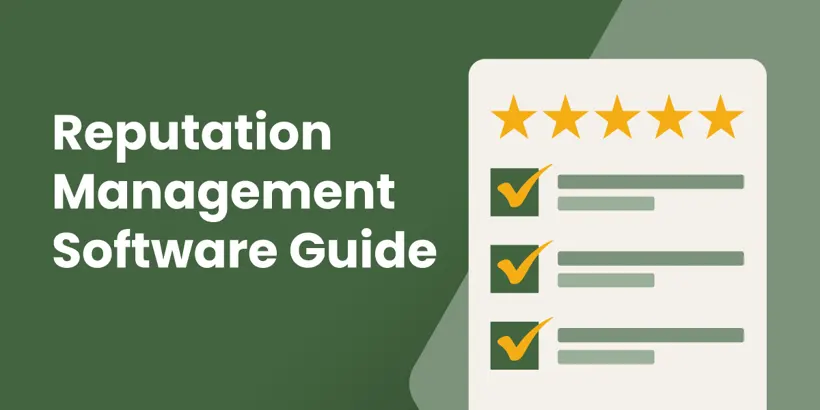
Use a set of real feedback to test reputation management software
Select anonymized comment samples, including praise, cross-language complaints, and duplicate work orders.

To assess a company's online reputation, start with specific transaction issues.
First, determine which entity, market, and time period you want to investigate, then collect data from their official website, independent review platforms, and public responses.

How do proactive invitations and spontaneous comments affect the evaluation sample?
Active invitations and spontaneous comments target different audiences.

Disassembling and inspecting the functions of product reviews, Q&A, and safety tips
The Shopper Approved survey presented multiple trust elements in a single set of displays.
Implement e-commerce SEO strategies on maintainable pages.
Compare the store directory with your actual search terms to ensure there's a suitable landing page for each purchase intent.

Assign content creation, Q&A, and referral tasks to social media accounts separately.
Select questions suitable for public response from recent customer comments and create a clear product description.

Use evidence to verify suspicious reviews to avoid unjustly harming genuine customers.
When a batch of reviews with similar content is found, first save the posting date, target product, and the original text.

In the traffic report, first look at where people came from and what they want to do.
Separate direct visits, organic search, paid search, and external referrals, and then examine the pages that each type of visitor arrives at first.

Add the collection date and usage context to the evaluation data.
Compare a forum comment, a post-order questionnaire, and a mobile experience video.

Use the page responsibility information to self-check the quality of search content.
Give the article to someone new to the brand and ask them to identify the author, the basis for the writing, and contact information.

Provide a practical security checklist for website maintenance.
List the website domain, certificate expiration date, administrator account, payment service provider, and person responsible for renewal.

Let customer service tickets complete the handover with context.
When tracking an order processed across shifts, check if the subsequent staff can see the customer's initial request, the methods already tried, and the promised follow-up call tim

Design experience compensation and public evaluation tasks separately.
Free samples or discounts can change how readers understand reviews.